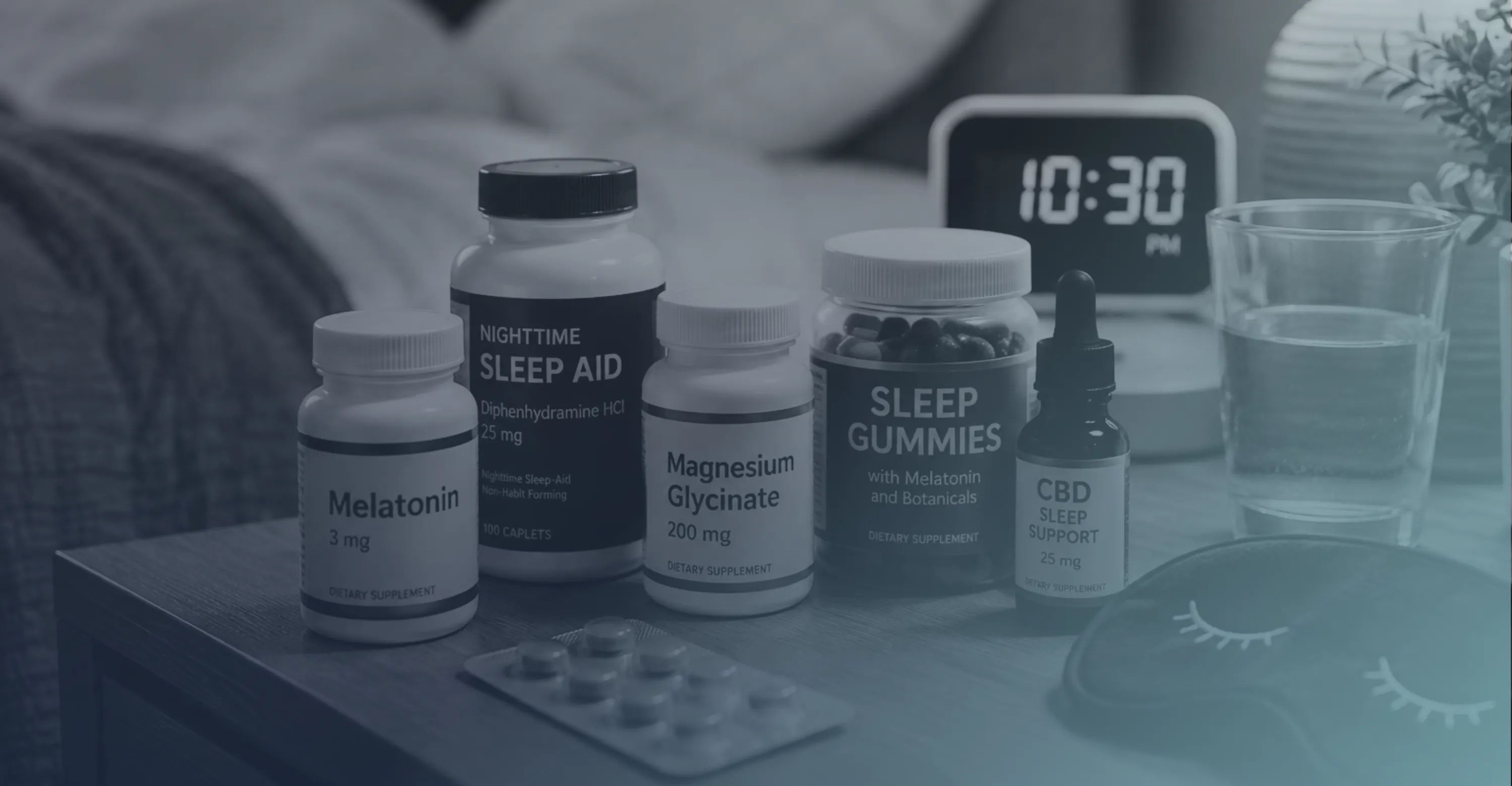

An ordinary prescription, a sip of water, and a sudden burning sensation. Sometimes the medication itself is responsible for the injury.
A patient wakes up with sharp pain behind the breastbone. Swallowing hurts, even when it's just water. They wonder whether it's severe heartburn, an infection, or something more serious.
The explanation may be surprisingly simple: a pill they swallowed the night before.
Pill-induced esophagitis occurs when medication remains in contact with the esophageal lining long enough to cause irritation, inflammation, or even ulceration.
It's a recognized adverse effect of several familiar medications, and one that can be easy to overlook when evaluating chest pain or painful swallowing.
How Can a Pill Cause an Ulcer?
Most tablets and capsules pass through the esophagus quickly. But sometimes a pill becomes lodged or moves slowly, particularly when taken with too little water or immediately before lying down.
As the medication dissolves, its contents can irritate the surrounding tissue.
Some medications create acidic or alkaline conditions that damage the esophageal lining. Others cause injury through their chemical properties or prolonged contact with the mucosa.
The middle portion of the esophagus is a common site of injury because natural areas of narrowing can slow a pill's passage.
The result may be anything from mild irritation to a painful ulcer.
In one case series of 48 patients with drug-induced esophageal ulcers, approximately 86% had taken medication with insufficient water, while lying down, or both.
The medication matters, but so does how the patient takes it.
Four Familiar Medications Worth Remembering
1. Doxycycline: A common culprit
Doxycycline is frequently implicated in pill-induced esophagitis.
Prescribed for conditions ranging from acne to respiratory and other infections, it can cause significant irritation when a tablet or capsule remains in the esophagus.
A patient who takes doxycycline with a small sip of water before bed may develop sudden pain with swallowing.
2. Alendronate: Why administration instructions matter
Oral bisphosphonates, particularly alendronate, are associated with esophageal irritation and ulceration.
That's why administration instructions emphasize taking the medication with plain water and remaining upright for at least 30 minutes, with additional product-specific requirements.
These directions aren't simply about optimizing absorption. They also help reduce the risk of esophageal injury.
3. Potassium chloride: An unexpected source of irritation
Potassium chloride tablets can cause substantial local tissue damage when they remain in the esophagus.
Certain formulations may be particularly problematic because the medication can continue releasing its contents while in contact with the lining.
4. Iron supplements: Not always harmless to the esophagus
Ferrous sulfate is another recognized cause of medication-related esophageal injury.
Although iron supplements are widely used, they can irritate tissue if a tablet becomes lodged and begins dissolving before reaching the stomach.
These examples are a reminder that familiar medications aren't necessarily harmless when taken incorrectly.
The Symptoms Can Be Surprisingly Severe
Pill-induced esophagitis commonly presents with three symptoms:
- Odynophagia: Pain when swallowing
- Retrosternal chest pain: Discomfort or burning behind the breastbone
- Dysphagia: Difficulty swallowing
Symptoms may appear within hours or days of taking the medication.
The sudden onset can make the condition particularly alarming. Patients may describe severe chest discomfort or pain when attempting to eat or drink.
Although many cases resolve without lasting complications, more serious injuries can cause bleeding or esophageal narrowing.
Importantly, chest pain should not automatically be attributed to a medication. Cardiac and other serious causes still require appropriate evaluation.
Why Some Patients Are More Vulnerable
Medication properties aren't the only factor.
Patients with impaired esophageal motility, structural narrowing, or difficulty swallowing may be more susceptible.
Reduced saliva production can also make pill transit more difficult.
But even patients without known esophageal disease can develop an injury if they swallow a problematic medication with inadequate water or lie down immediately afterward.
A simple question about how the patient takes their medication can reveal an important clue.
Prevention May Be Simpler Than Expected
A few administration habits can substantially reduce the risk of pill-related esophageal injury.
Use enough water. For most tablets and capsules, a full glass of water helps move the medication into the stomach. Follow medication-specific instructions.
Stay upright. Patients should avoid lying down immediately after taking pills. Some medications, including oral bisphosphonates, have specific upright-position requirements.
Review swallowing difficulties. Patients who routinely struggle with tablets may benefit from an alternative formulation when one is available and clinically appropriate.
Recognize symptoms early. New painful swallowing or retrosternal discomfort after starting a medication should prompt consideration of esophageal injury.
When pill-induced esophagitis is suspected, management may involve stopping or changing the offending medication under clinical guidance and providing supportive treatment. Severe symptoms, bleeding, inability to swallow, or persistent complaints may require further evaluation, including endoscopy.
Sometimes the Smallest Detail Matters
A medication can be correctly prescribed, appropriately dosed, and still cause an unexpected injury because of how it was swallowed.
For physicians and pharmacists, pill-induced esophagitis is a useful reminder that medication counseling isn't only about what patients take.
Sometimes, how they take it makes all the difference.
References
- Sharma M, Sharma A, Goosenberg E. Pill-Induced Esophagitis. StatPearls. Updated August 2026. https://www.ncbi.nlm.nih.gov/books/NBK549818/
- Drug-induced esophageal ulcers: Case series and review of the literature. https://pubmed.ncbi.nlm.nih.gov/25003679/
- Kikendall JW. Pill-Induced Esophagitis. Gastroenterology & Hepatology. https://pmc.ncbi.nlm.nih.gov/articles/PMC3099275/
- Poison Control. What Is Pill Esophagitis? https://www.poison.org/articles/what-is-pill-esophagitis